
Trauma, burnout, and relationship therapy in Ottawa
“Healing begins where the wound was made”
- Alice Walker
If you're exhausted, overwhelmed, and running on empty, doing everything for everyone while quietly wondering when it'll be your turn, you haven't ended up here by accident. I'm Angela Mason, a Registered Social Worker specializing in burnout and trauma therapy in Ottawa. I work with individuals who are ready to understand how they got to where they are and who are actively pursuing personal growth and mental wellness.
You are not alone, and this is not the end of your story.

Does any of this sound familiar?
You don't have to check every box. If even one of these feels true, you're in the right place.
-
You feel responsible for everyone around you, and guilty the moment you try to put yourself first. You move through the day on autopilot: working, parenting, doing chores, running errands, cooking, bedtime routine, repeat. Somewhere along the way, you stopped being sure of who you are outside of all those roles.
-
You're exhausted in a way that sleep or a vacation doesn't touch. You're not sure how much longer you can keep going at this pace, and the thought of adding one more thing to your plate feels impossible.
-
You shut down or snap during conflict, and then spend hours replaying what happened, wondering why it always goes the same way. The fights look different on the surface but underneath they always seem to be about the same things.
-
You've been pushing through for as long as you can remember, staying busy, doing it yourself, because asking for help never really felt like an option. You know, deep down, that this goes back further than just when you started to notice you were struggling. Maybe you've tried therapy before and left feeling like you just talked, without anything really shifting.

“It’s when we start working together that the real healing takes place” - David Hume
So much of what may feel like areas of struggle, the anxiety, the people-pleasing, the way we react in conflict, the difficulty asking for what we need, makes complete sense when we understand where it came from.
-
Growing up without emotional support forces us to adapt. We develop rigid independence out of necessity, shrinking our presence for the sake of safety. We stop voicing our needs entirely, exhausted by the repeated sting of being turned away. We become experts at managing others and strangers to our own needs.
-
We developed those coping skills for a reason, and they did exactly what they needed to do: they got us through. Today, however, those very same habits are acting as barriers, creating tension in our relationships, hindering our parenting, and disconnecting us from our true selves.
-
Part of what I do in therapy is help you see all of that clearly. Not to assign blame, but to finally make sense of things. Because when we understand why we are the way we are, we stop being at war with ourselves, and real change becomes possible.
Our hardest days only become harder when we try to push through on our own.
What healing looks like
I've been told I'm compassionate, authentic, deeply invested, and that I have a way of helping things make sense. I don't hover on the surface of things. I want to understand your whole story, the events, the people, the patterns, so I can help you see how all the pieces fit together.
I think of each person I work with as an unfinished puzzle. To understand how to put it together, we must look at each piece carefully, how they relate to one another, and what they reveal. You are not just a diagnosis or a set of symptoms to be treated. You are a person with a rich and complex history, and you deserve a therapist who treats you that way.
-
My approach is collaborative and led by you. We go at your pace. And while the work can be hard, there is also room for warmth and even laughter along the way, because that's part of healing, too.
I won't just validate what you're going through. I'll help you understand it, work through it, and build the skills to actually feel different. Together, we'll figure out not just what happened, but why, and what it means for who you're becoming.
-
Healing looks like rewriting your story, page by page. Rebuilding yourself is a process, not an event. The early weeks of therapy can sometimes feel slow. You might leave a session wondering if anything is really changing. That's normal, and it's part of the process.
But for those who stick with it, something starts to shift. Slowly, you begin to feel like someone actually gets it, like the things you've thought and felt and done all these years finally make sense. You start to get curious about who you are, what you really want, and what you like.
-
You start to say no sometimes. You stop taking on every request. You begin to have those hard conversations and discover that the worst things you imagined don't always happen.
You set boundaries to protect your mental health, maintain healthy relationships, and because you finally know what you need and believe you deserve to have it. You feel less dysregulated. More in control. More like who you've longed to be.
Together, we can work towards these changes.

Where I can help
We don't need to arrive with a clear diagnosis or the right words for what's wrong. Most of us just know we're tired of feeling the way we do and need things to change.
-
Uncover the impact of growing up in a home where our emotional needs weren't consistently met, and how that shows up in our adult relationships and relationship to ourselves. So much of what feels like our own personal limitations makes complete sense when we understand where it came from.
-
Discover how to identify our triggers, understand our thought patterns, and challenge irrational fears. We work toward feeling calmer in our bodies, resisting isolation, and restoring meaningful connections to the activities and people we love.
-
Cultivate ways to find our way back to fullness after spending so long running on fumes. Burnout therapy helps us understand why we got here and builds a sustainable roadmap for what comes next.
-
Make sense of the survival patterns of prioritizing others' needs over our own and demanding flawlessness from ourselves to feel okay in this world. We explore where these patterns started and what it looks like to slowly loosen their grip.
-
Understand how stuck patterns keep showing up in our closest relationships, often in ways that feel frustratingly familiar and unhelpful. We get curious about where those patterns began and what it would take to do things differently.
-
Explore ways to respond to hard moments with more kindness and treat ourselves with the same care we give everyone else. For many of us, this is the work that makes everything else possible.
-
Identify the core drivers of parental burnout, deconstruct potentially unrealistic standards, and gain practical tools to balance our own needs alongside our family's. You cannot give from an empty reservoir, and this work helps refill yours.
-
Loving someone through this journey takes an invisible toll that deserves its own room to heal. The checking in, the worry that never fully lets go, the moving from one crisis to the next with barely a moment to catch our breath. Over time, the weight of that caregiving role can leave us feeling depleted, isolated, and like we have lost ourselves supporting our loved one’s struggle. This is for the partners and families walking alongside someone's addiction, the one who keeps showing up and needs support too. Together we work on understanding our own limits, learning to care for our loved one in a way that doesn't require us to abandon ourselves in the process, and finding a healthier balance between their needs and our own.
A faster path through the pain
Solutions must be tailored to individual needs. I use a mix of evidence-based techniques tailored to your specific goals, letting your comfort and needs guide the way we work together.
-
ART is my primary approach and the one I recommend most often for trauma. It works by helping your brain reprocess painful memories at a neurological level -- so they lose their emotional charge without you having to retell every difficult detail out loud.
What makes ART different is how quickly it works. Many clients notice meaningful shifts within just a few sessions. If you've felt stuck carrying something for years, ART can help move it.
-
DBT is a skills-based approach focused on emotional regulation, distress tolerance, and building healthier relationships. It's particularly helpful if your emotions feel intense or hard to manage, or if you tend to react in ways you later regret.
-
NARM is a specialized approach for healing the effects of early childhood and developmental trauma that focuses less on revisiting what happened and more on understanding how we adapted to it. If you have ever felt disconnected from yourself, your emotions, or your relationships without quite being able to explain why, NARM works gently in the present moment to help you understand those patterns and begin to reconnect with your natural capacity for health and aliveness.
-
EFT helps you slow down and get curious about your emotional experience rather than avoiding or pushing through it. It's a gentle, compassionate approach that's especially useful for people who struggle to identify or express what they're feeling, often a pattern that starts early in life.
-
CBT looks at the connection between your thoughts, feelings, and behaviours. It's a practical, structured approach that helps you identify the patterns keeping you stuck and build more helpful ways of thinking and responding.
-
At the heart of everything I do is a person-centred, relational approach, meaning our work together is guided by you, your pace, and what matters most to you. The therapeutic relationship itself is part of the healing. Feeling genuinely seen and understood is something many of my clients haven't had enough of.
-
Compassion-focused therapy is especially helpful for people who are very hard on themselves, who carry a lot of shame, self-criticism, or a deep sense that their needs don't matter. It helps build the inner warmth and self-compassion that makes everything else in therapy easier.
-
Narrative therapy invites you to look at your life story from a new angle, to separate who you are from the painful experiences you've been through. It's a way of reclaiming your identity and recognizing that the hard chapters don't define you.
Working with me
-

Free consultation
Not sure if we're a good fit? Book a free 15-minute meet and greet. It's a relaxed, no-pressure conversation where you can share a little about what's been going on, ask me anything, and get a feel for how I work. I'll do the same. No commitment required.
-

Session fees
Individual sessions (60 min): $180
Accelerated Resolution Therapy sessions (60-90 min): Starting at $180
-

Location and availability
I offer both in-person and virtual sessions. My office is located at 104 Centrepointe Drive in Ottawa, a short walk from the Algonquin College bus stop and with free parking on site behind the building.
I'm currently seeing clients Tuesday through Thursday. Starting in October, I'll also be available on Mondays, both in-person and virtually.
I'm accepting new clients now.
A little about me
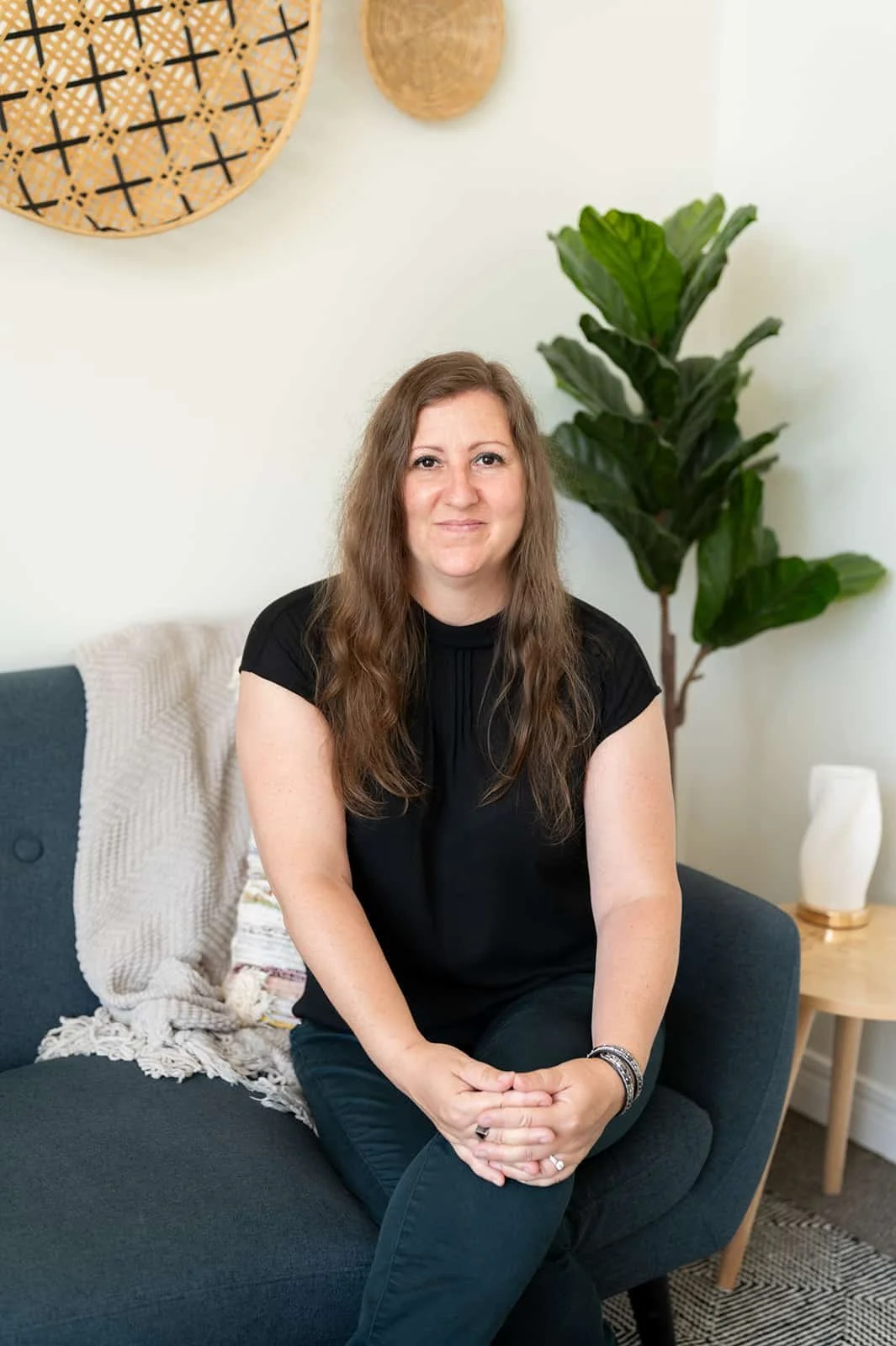
I'm a Registered Social Worker with a Master of Social Work and a Bachelor of Social Work from Carleton University, plus a three-year diploma in Behavioural Science. I chose this work because I genuinely believe that understanding where you've come from is one of the most powerful things you can do for where you're going.
Outside of the office, I’m a mom, a partner, a sister, and family is the most important thing to me. I am also a gardener, a nature lover, and I really enjoy travelling. In my free time, I like to play board games, listen to music, and go hiking and kayaking. I am also a lifelong learner and am always doing extra training.
I would be honoured to walk alongside you in yours.
In the blog: The unpacked mind
Compassion and curiosity: My journey into trauma therapy in Ottawa
Ready to feel like yourself again?
If you've spent years managing, pushing through, and putting everyone else first, you deserve a space that's just for you. Reaching out is the hardest part. Everything after that, we figure out together. Book your free 15-minute consultation and let's see if we're a good fit.